Robin Wood

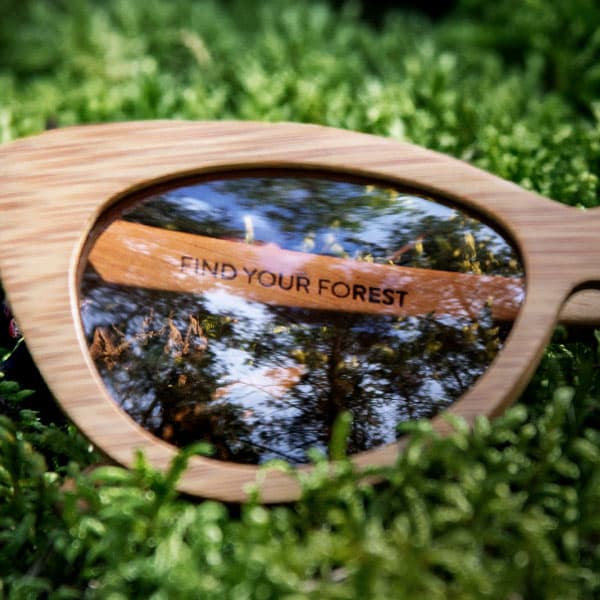
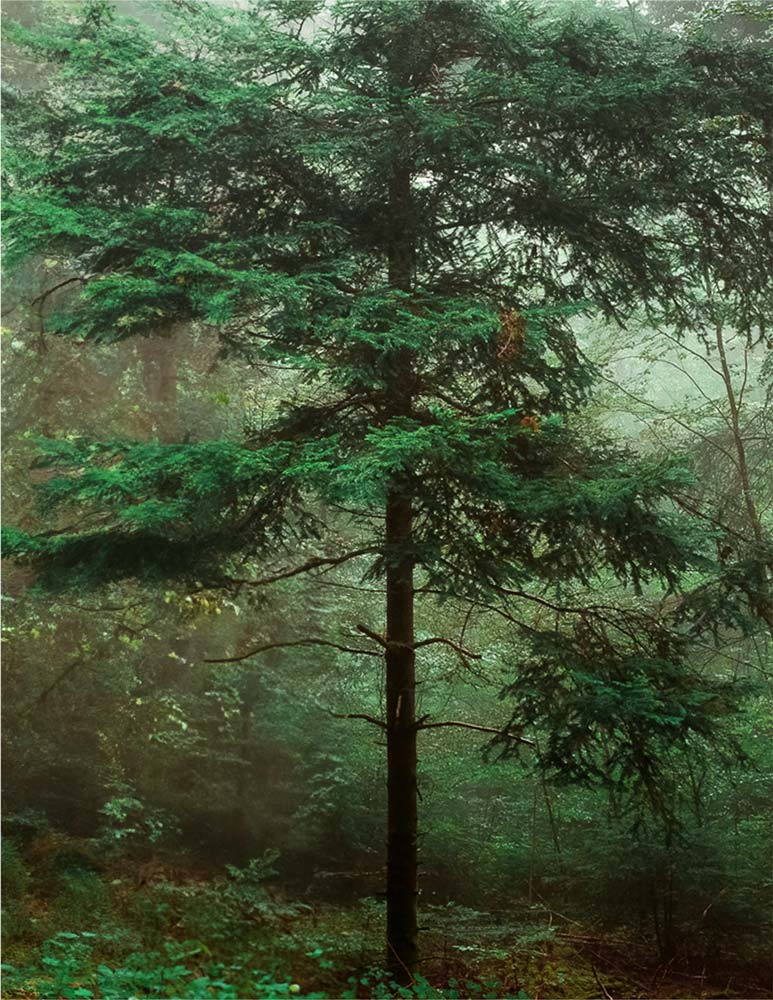
⸺ FIND YOUR FOREST

Building a sustainable brand whose values had to hold across product, experience, and business reality.

Systemic overview

ico-description

Robin Wood

⸺ was built as a sustainable lifestyle brand at the intersection of business, design, and nature. The challenge was not only to create a distinctive brand, but to make its values credible through real decisions about product design, materials, production, communication, and business model.

ico-my-role

As co-founder

⸺ I worked across the full system to align strategy, product, expression, and experience so the brand’s promise was visible in what it made and how it operated. This meant reconciling tensions between authenticity and scalability, sustainability and efficiency, craft quality and commercial viability.

ico-emergence-2

The result

⸺ was a brand whose credibility came from coherence: products, materials, communication, and touchpoints all reinforced the same underlying logic. Robin Wood shows how sustainability becomes more believable when it is built into the business itself, not added as a layer of messaging.

ico-tension

System tensions and constraints

  • Greenwashing was eroding consumer trust.
  • Sustainability topic was already politically charged and often polarizing.
  • Audiences interested in sustainable products were becoming more critical and better informed.
  • Material choices had to meet both ethical expectations and product reality.
ico-trade-offs

Key trade-offs

  • Authenticity vs scalability
    The more real and distinctive the brand became, the less easily it could behave like a standard scalable business.

  • Sustainability vs operational efficiency
    What was morally and strategically coherent was often commercially less efficient in the short term.

  • Product vision vs production feasibility
    Alternative materials and design choices had to work not just conceptually, but at a level of quality, repeatability, and scale that made production viable.
  • Distinctiveness vs market legibility
    The brand had to be distinctive enough to matter, without becoming too complex to understand quickly.

  • Craft quality vs commercial accessibility
    The brand had to preserve quality and integrity without becoming so niche, demanding, or expensive that it lost commercial traction.

  • Idealism vs financial resilience
    How much the business could absorb before it stopped being itself.
ico-alignment-3

What had to align

  • Strategic direction and business model
    The brand needed a clear point of view about what it was building, who it was for, where it would stay uncompromising, and what kind of business could realistically support that ambition.

  • Product vision and production reality
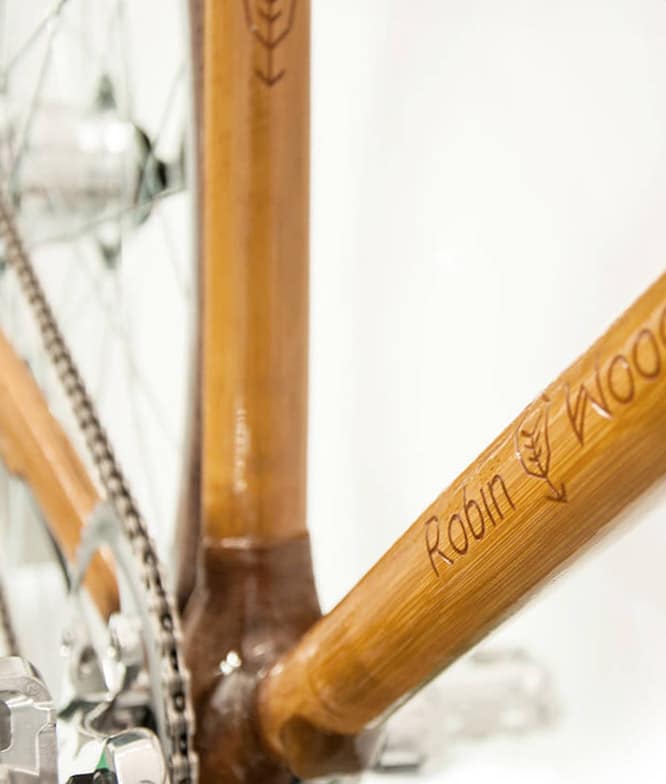
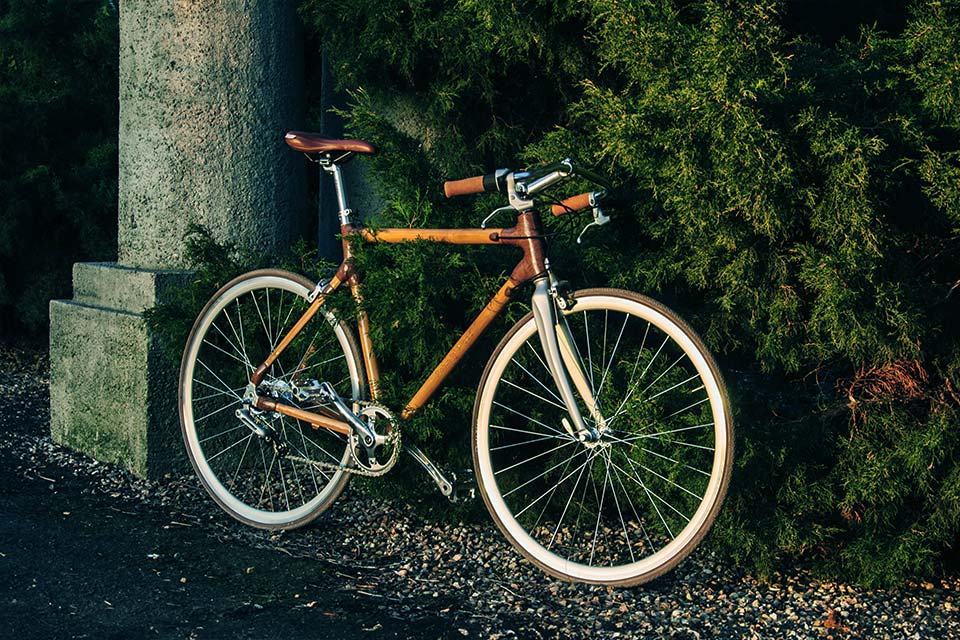
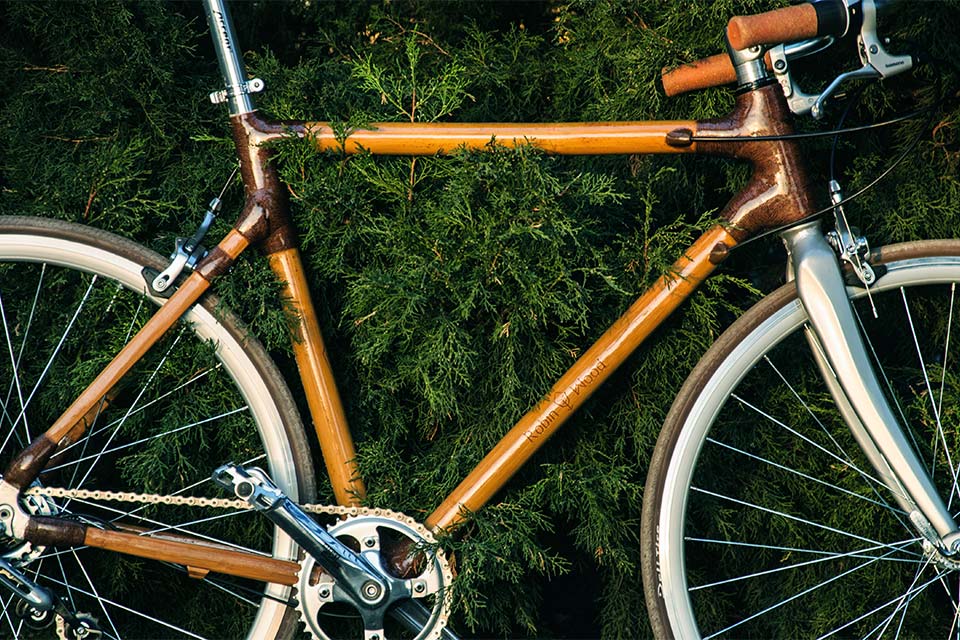
    Materials, design, watchmaking, and bamboo bike building had to make the brand believable in both concept and execution.
     
  • Sustainability and operational discipline
    Sourcing, manufacturing, and delivery had to reflect the brand’s values without turning sustainability into paralysis.
  • Expression and market clarity

    The narrative and visual language had to emerge from product truth while making the brand easy enough to recognize, understand, and value.

  • Experience and perception

    From packaging and photography to sensory details and the wider customer journey, each touchpoint had to reinforce the same underlying logic.

  • Values and economic incentives

    The business model, including profit-sharing, had to align participation and loyalty with the long-term logic of the brand.
ico-emergence-2

What emerged

  • Believability

    The brand felt credible because its values were visible in the products, experiences, business model and decisions behind them.

  • Distinctive clarity
    Robin Wood stood apart through both design and a point of view people could quickly grasp.

  • Trust grounded in substance
    Communication was supported by product reality, making the brand feel earned rather than constructed.
  • Coherence under constraint

    Strategy, production, expression, and experience followed the same logic despite operational and commercial pressure.

  • Integrity with viability
    The brand preserved its character while remaining connected to the realities of production, access, and financial survival.

⸺ Find your forest

rw-ico-robin-l

The legend

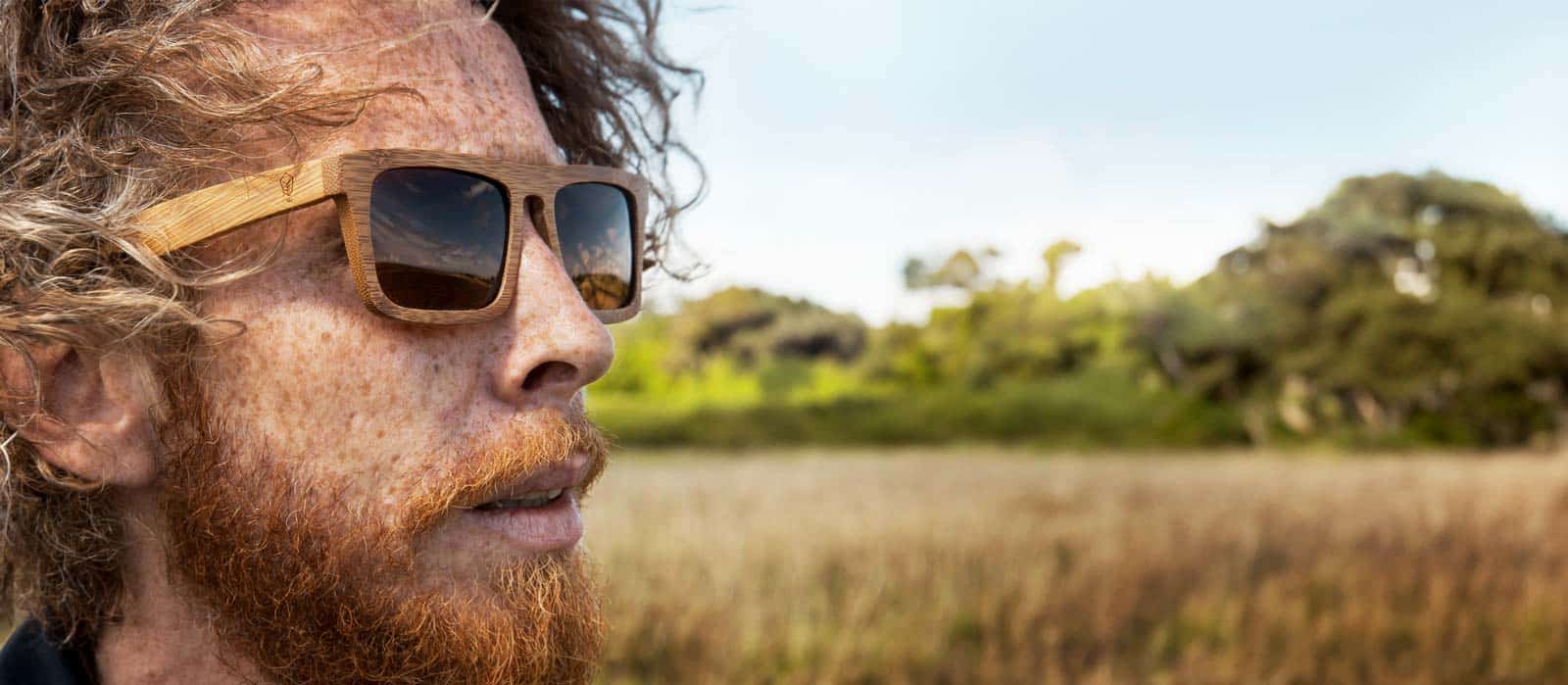
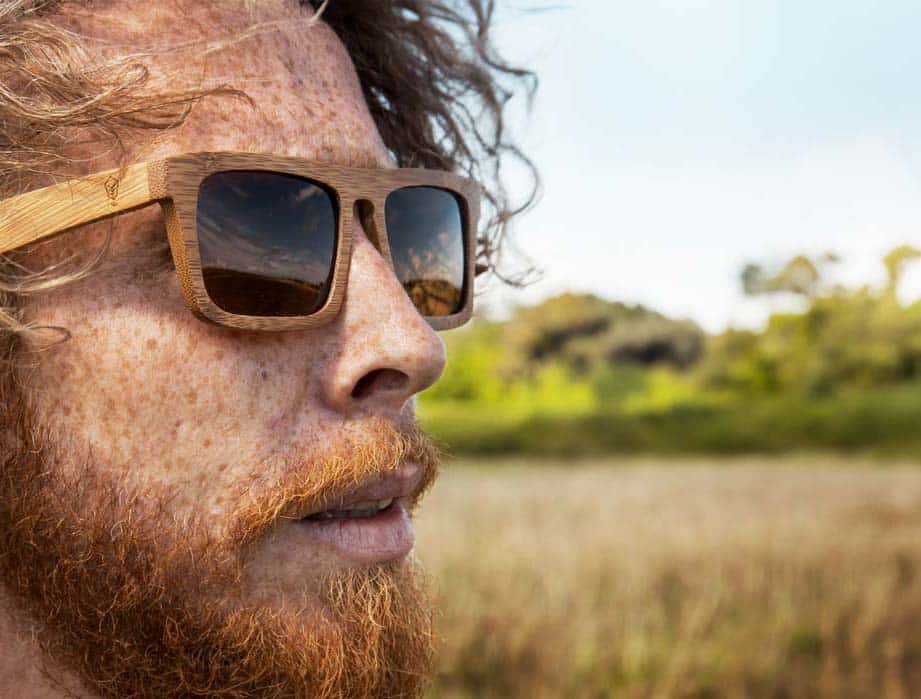
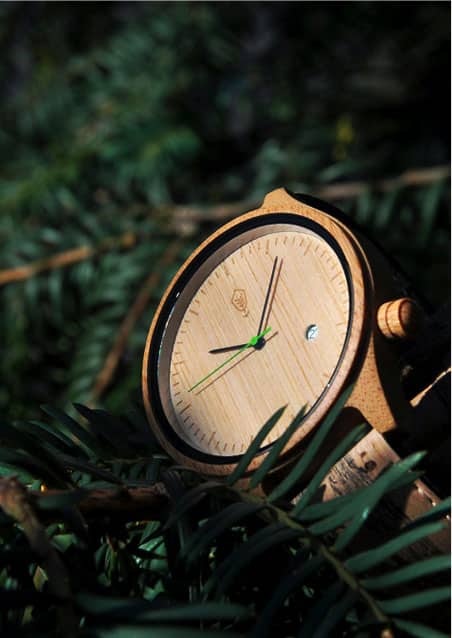
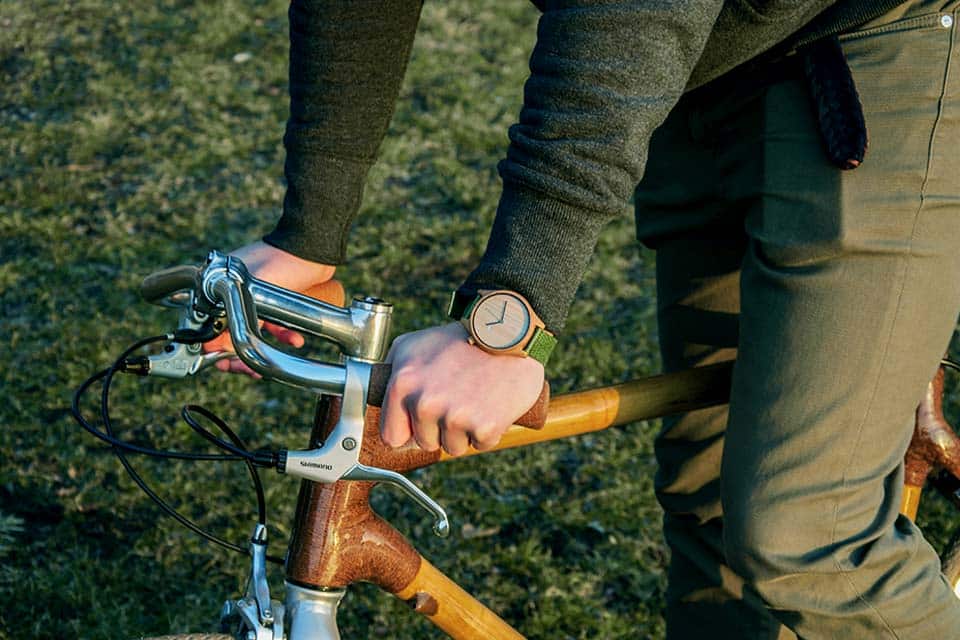
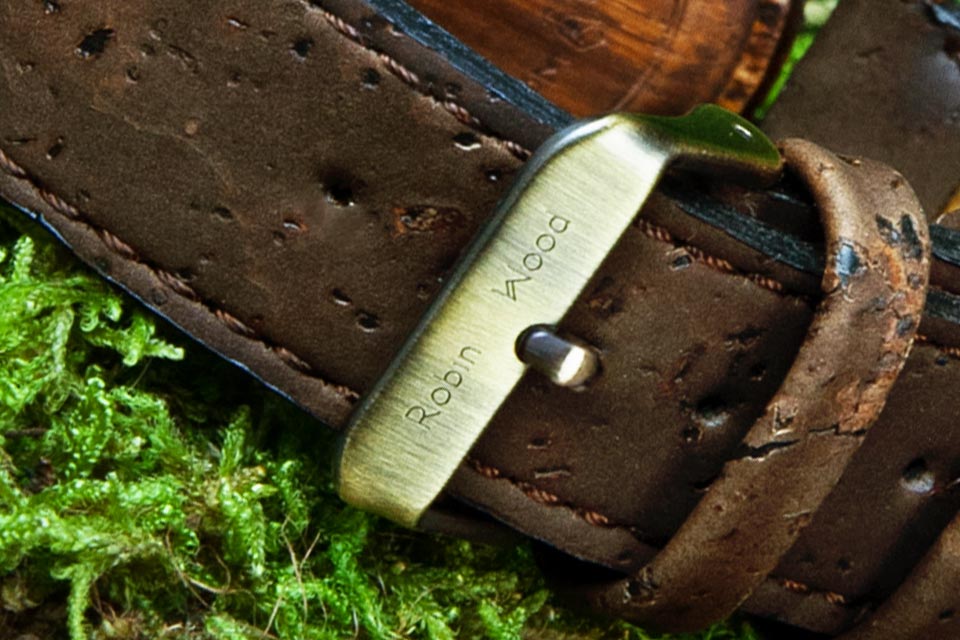
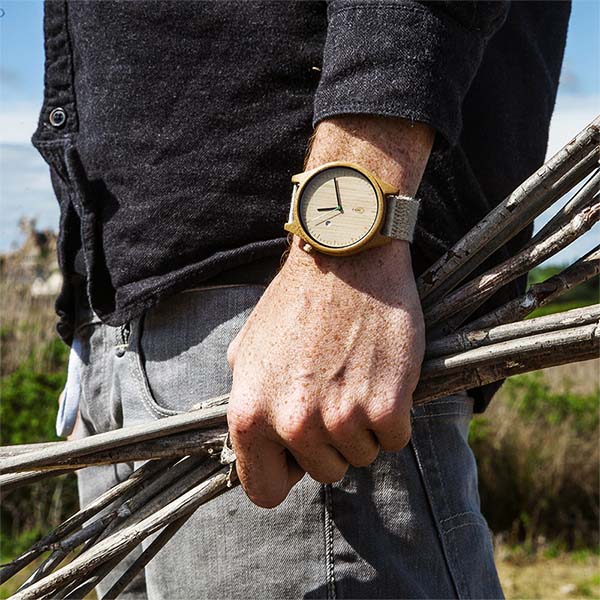
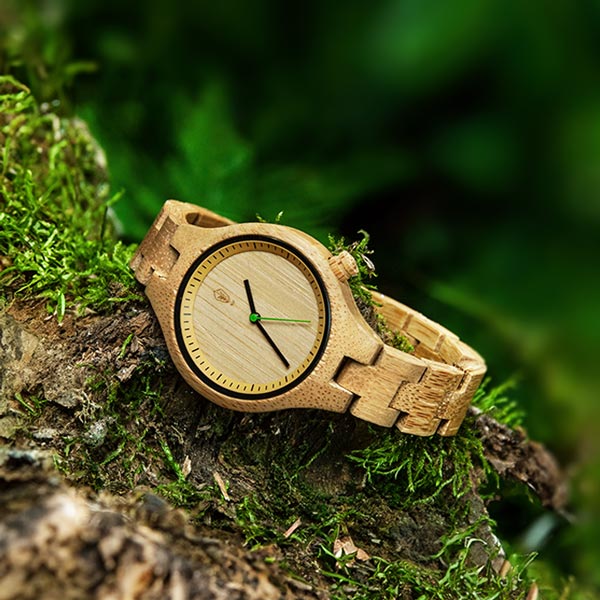
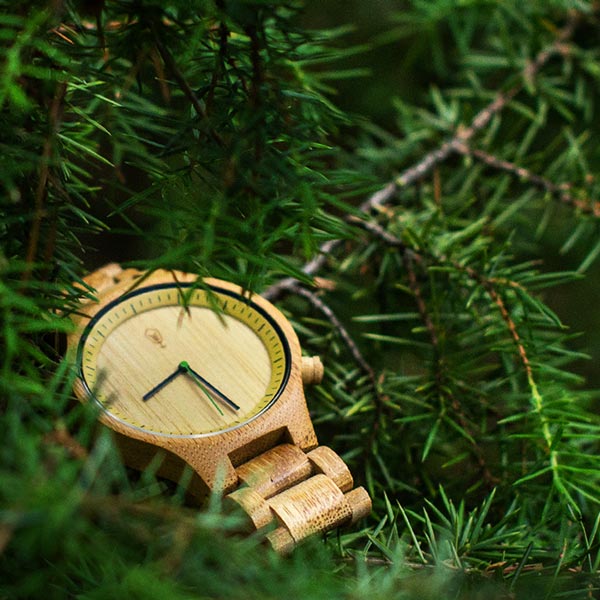
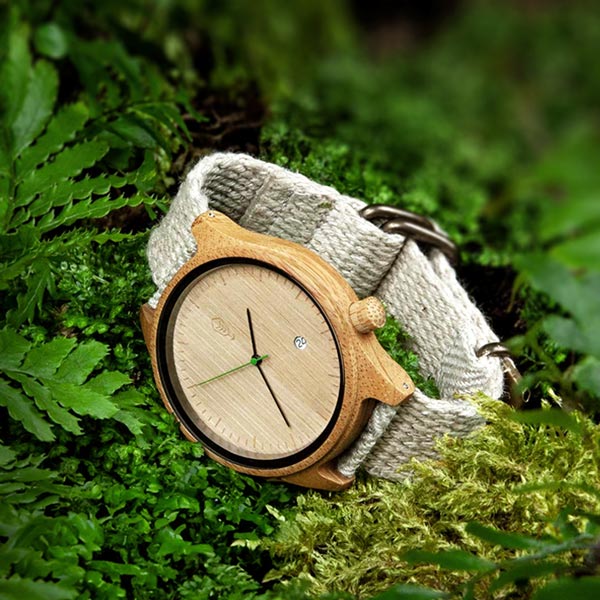
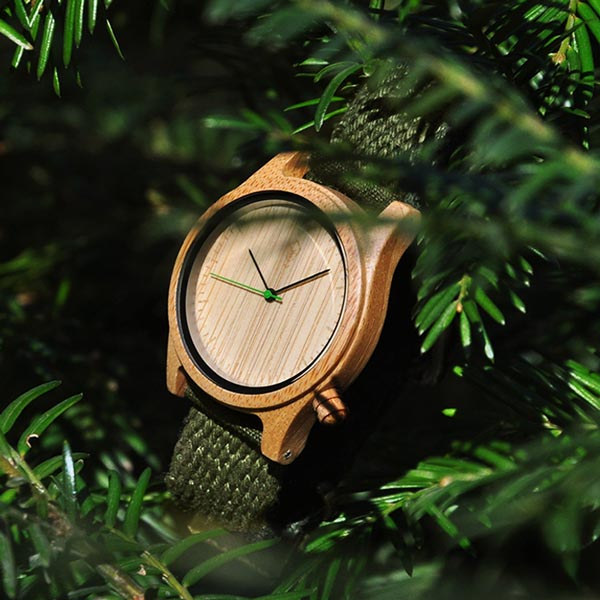
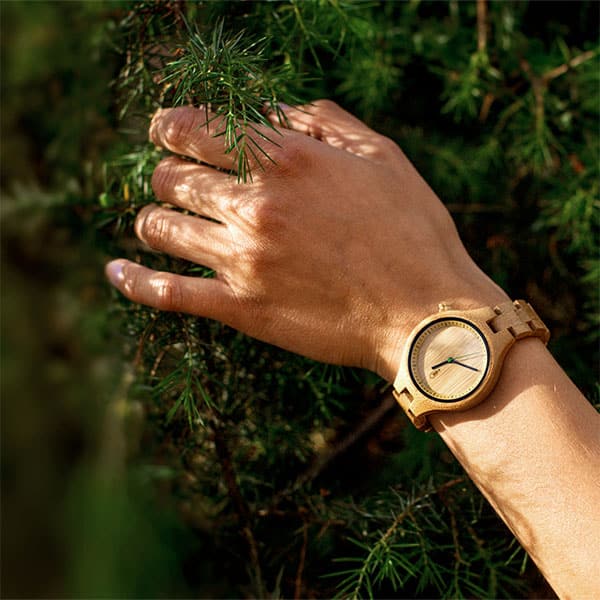
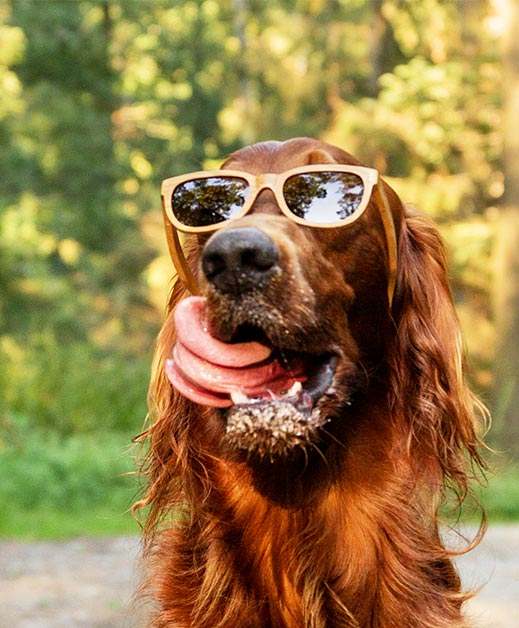
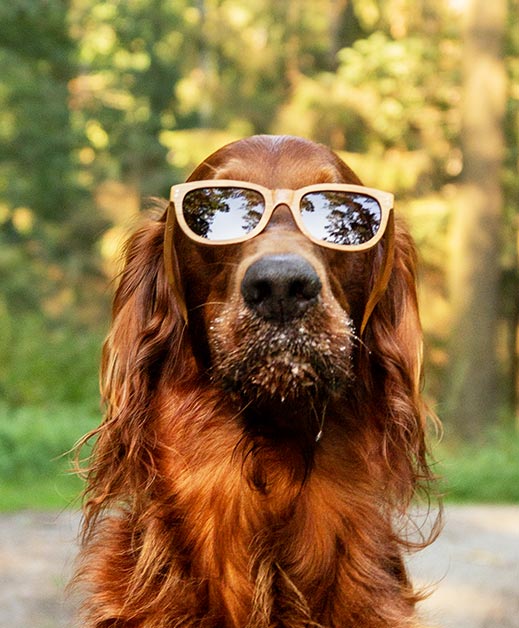
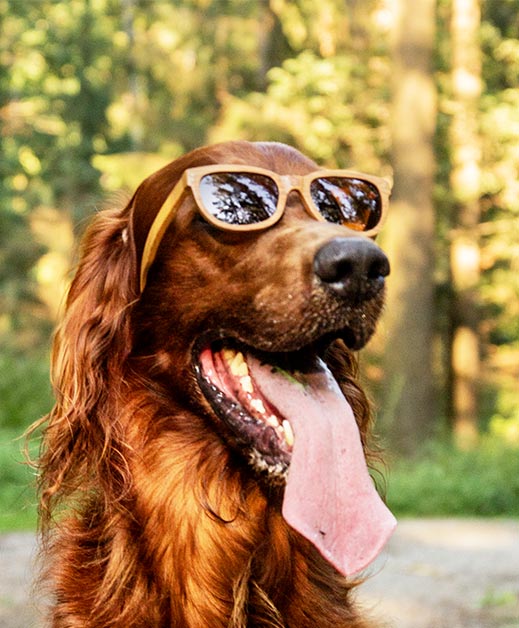
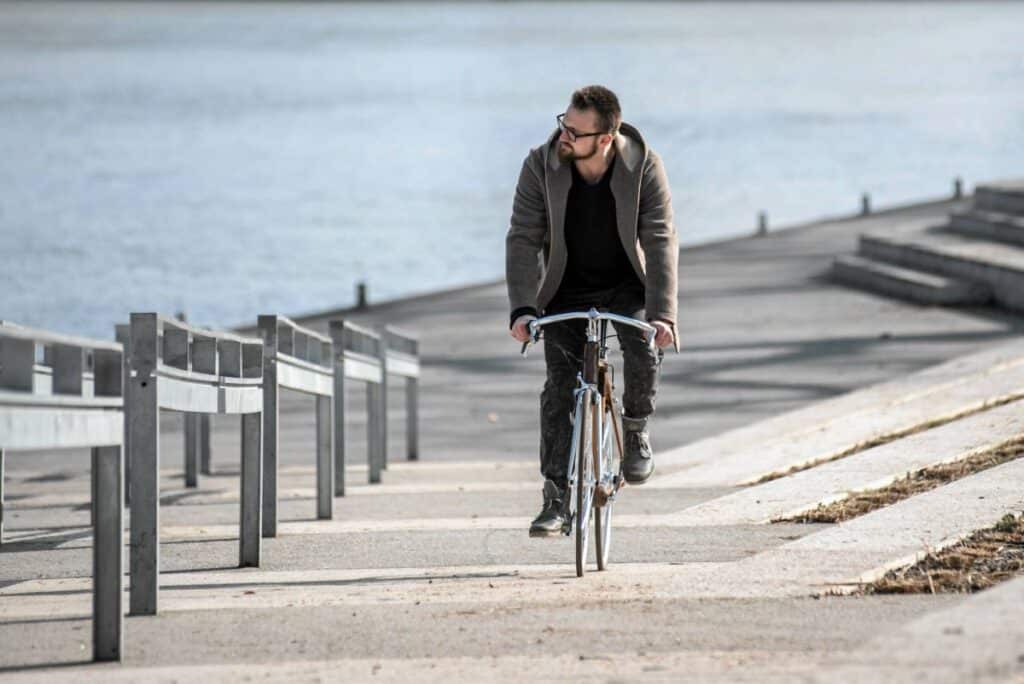
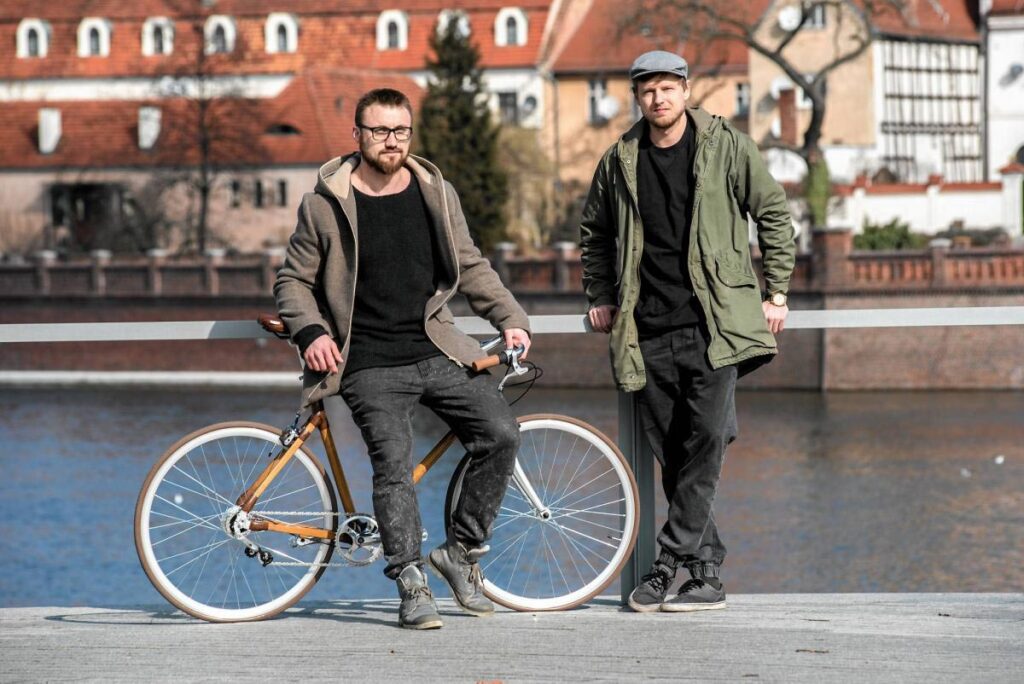
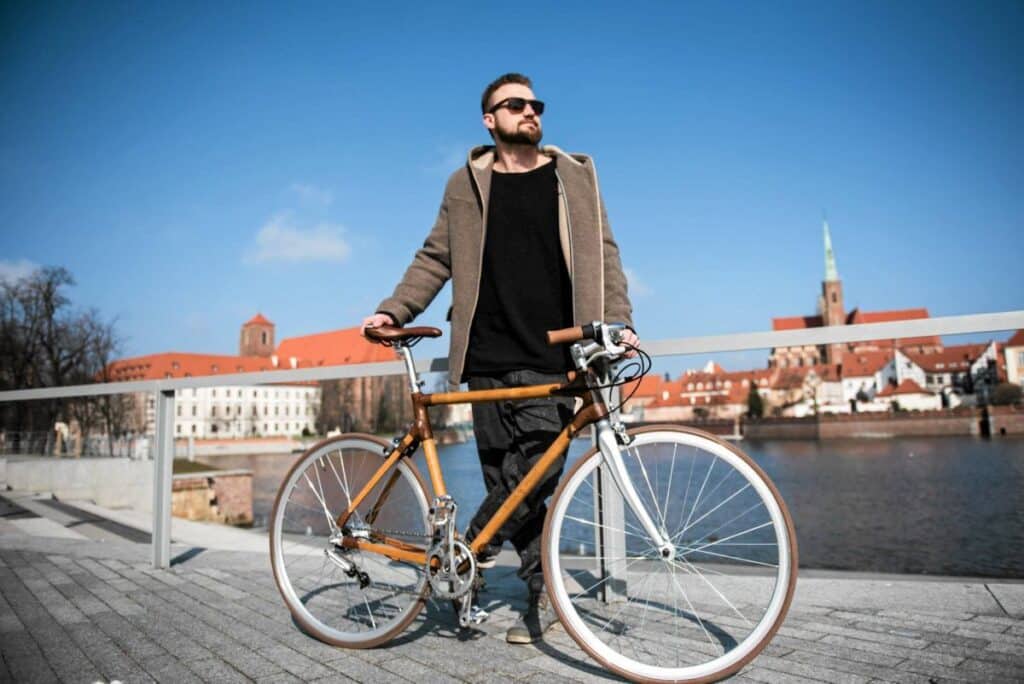
…of you-know-who, but with a wooden twist. Robin Wood swapped the bow for a chisel, channeling that rebellious spirit into doing things differently – making bamboo sunglasses, watches, bikes, and even the world’s only 100% hemp watch bands.

Robin’s legend would not be complete without his forest. But we will come back to ShareWood a little later.

rw-ico-compass-l

The compass

The needle pointed toward a different direction: a balance between design, nature, and business.

From a sustainable business model and alternative materials to a more conscious way of living, Robin Wood invited people to explore the world around them, enjoy it, and care for it.

rw-ico-message-l

On the horizon

The landscape was getting greener than ever, yet too many “eco” brands still carried a patronizing tone toward people who were not quite ready to tie themselves to trees.

On the other side, greenwashing was already moving at full speed. Mass-produced products straight out of sweatshops were suddenly marketed as zero-emission, universe-friendly, and here to save every sad dolphin in the ocean.

A complex environment.
Robin Wood was about finding the middle.

On the map

rw-ico-position

Strategic
position

Robin Wood was a bridge brand. It offered well-designed, quality products to a wider audience, pushing back against the exclusivity that often defines eco brands.

rw-ico-arrows-l

Sustainable partnerships

The company sourced materials and produced across six countries, from Swiss watch movements to Portuguese cork.

rw-ico-international

International
traction

Robin’s watches and sunglasses found customers internationally, with strongest traction in the US, UK, Germany, and France.

⸺ Welcome to the forest

Love design. Feel nature. Be eco!

Love design.
Feel nature.
Be eco!

rw-ico-love-design

Love design

Not just any design, but good design. A fine balance between art and nature, expressed through watches, sunglasses, and bikes that captured people’s imagination. Robin Wood proved that greener alternatives could be not only intriguing, but also stylish and durable.
At the time, eco products were often clunky and uninspiring. The logic seemed to be: “it saves the planet, so it doesn’t have to look good.” Robin challenged that idea and won people over with honesty, taste, and a different approach.

Find your forest.
Find your ⸺

⸺ way

⸺ time

⸺ sun

and take Robin with you.

Naturally,
every
detail
matters

A world of details, where every design element played a role in a larger story of appreciation for nature.

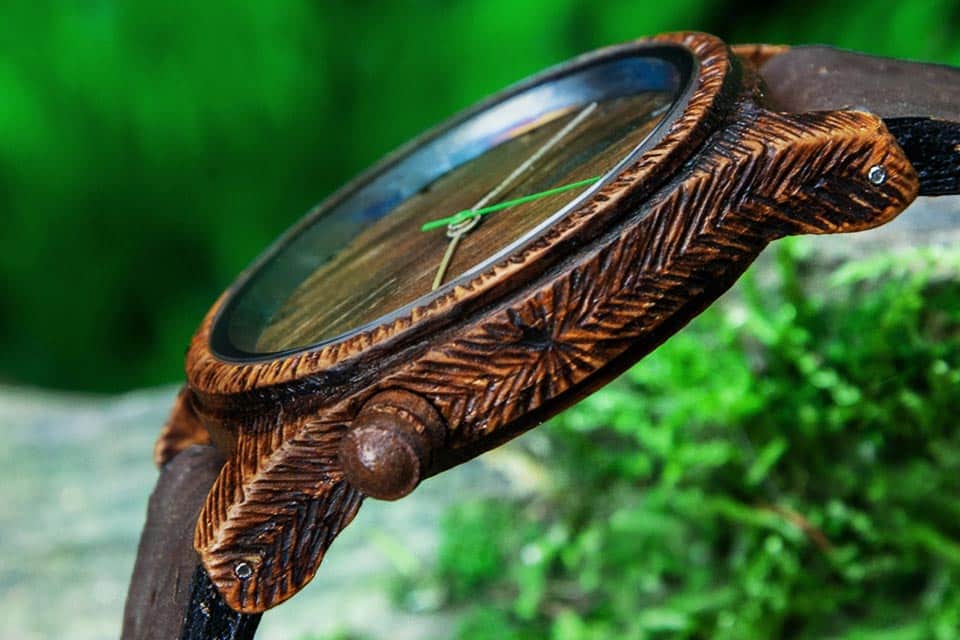
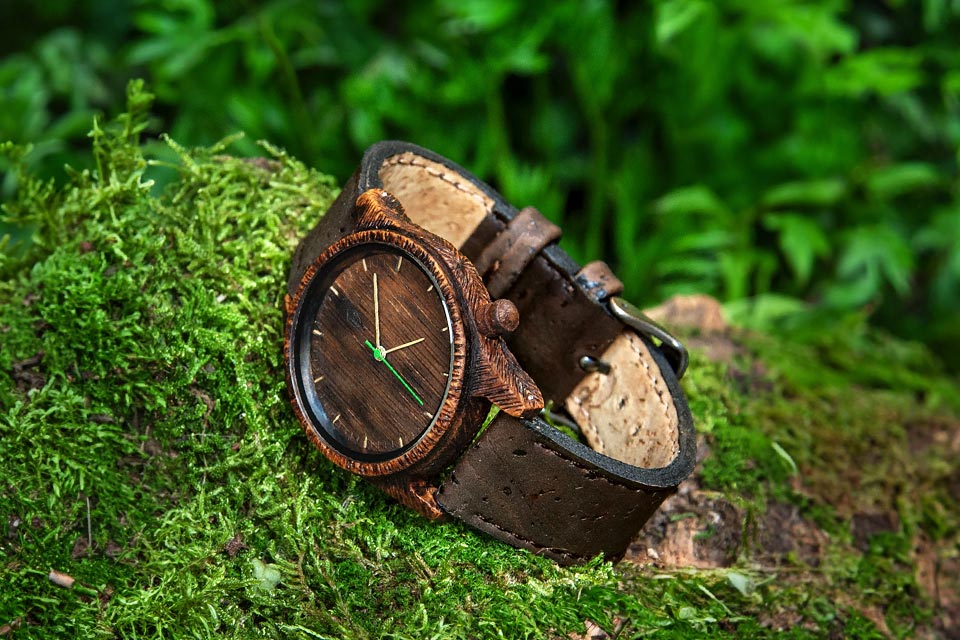
From the products to digital assets. From the green hands on the watches to the unique patterns of the materials.

Everything had its place in Robin’s world.

⸺ From
visual language

through
performance and
content marketing

⸺ to e-commerce experience

RW-feel-nature

Feel nature

Robin Wood was built around worthwhile experiences and crafted products made from materials that brought that feeling of nature closer.

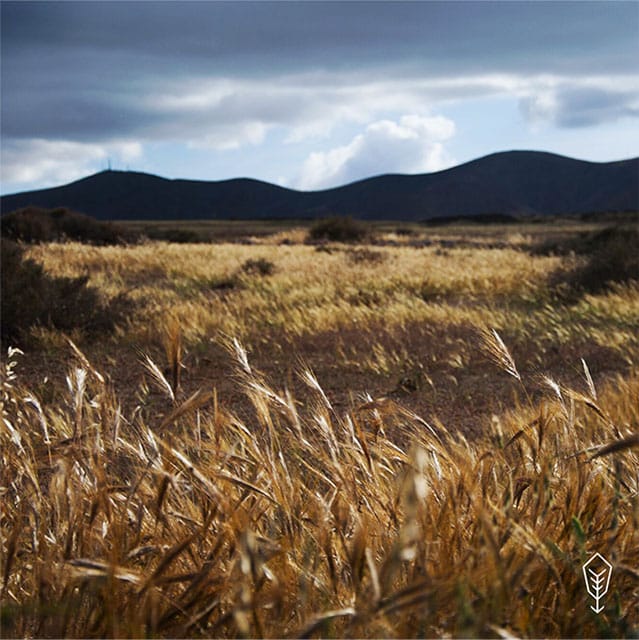
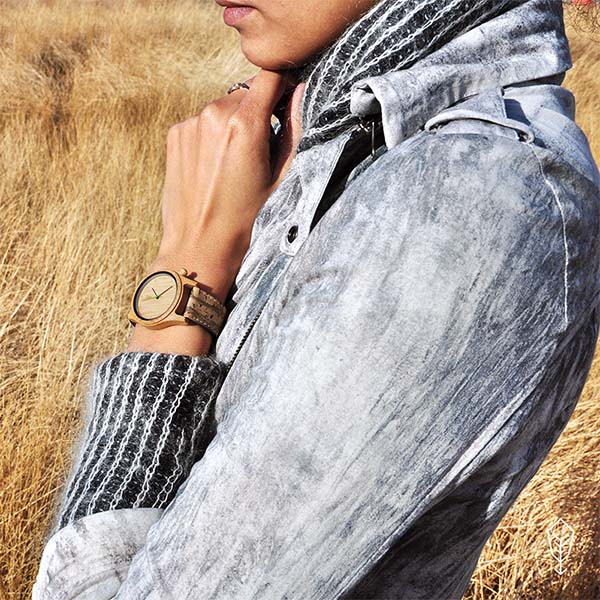
Its world was shaped through rich visuals, natural materials, travel, and outdoor activity – all designed to strengthen that sense of connection.

Unique touch

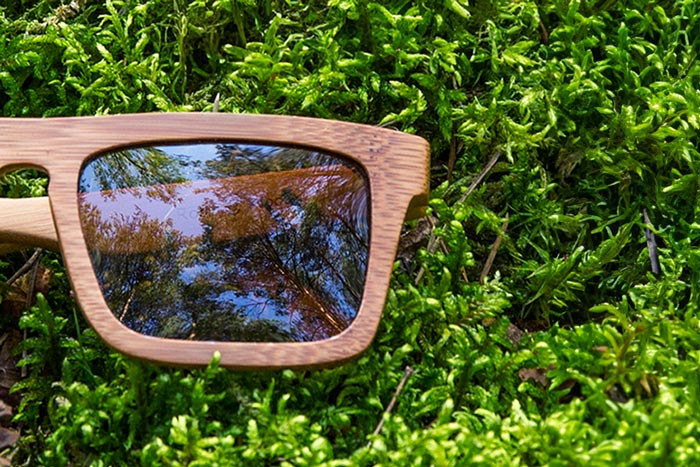
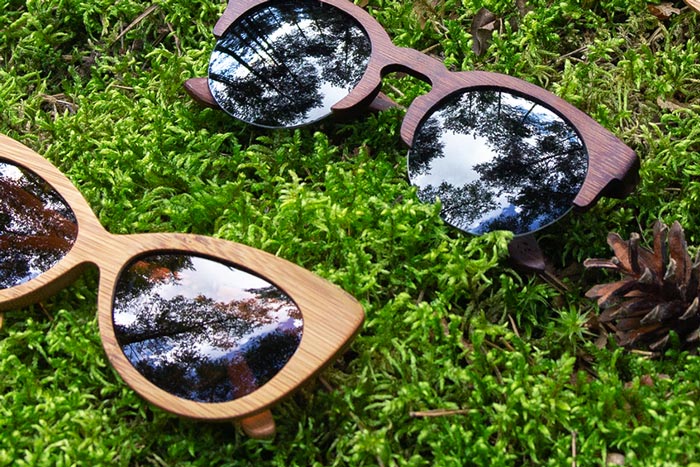
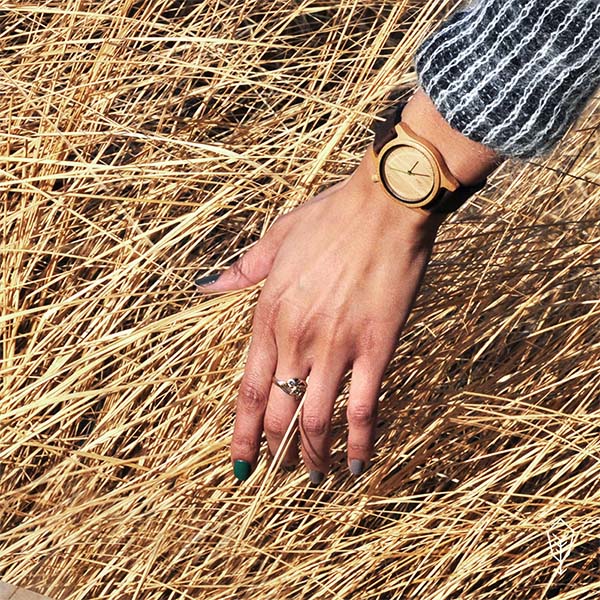
Material choice played a defining role in giving each piece its own character. Wood, hemp, and cork are never identical in texture, so by design, no two products looked exactly the same.

Fragrance
of the forest

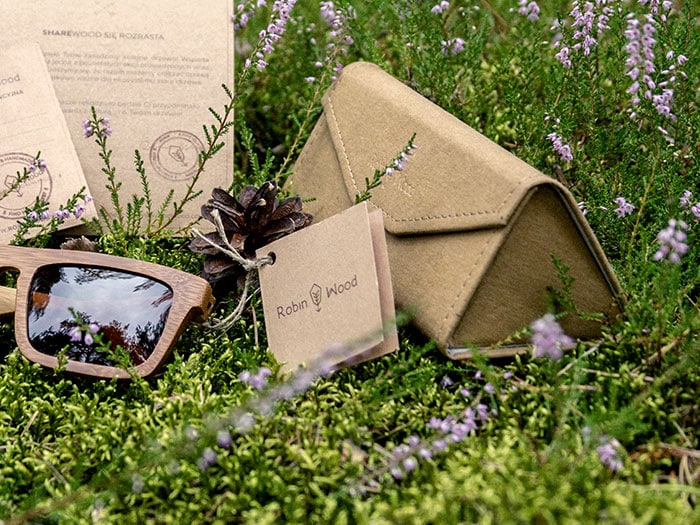
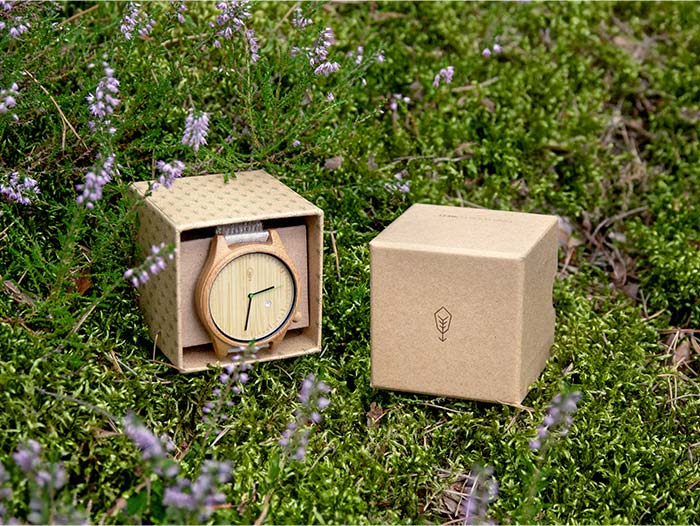
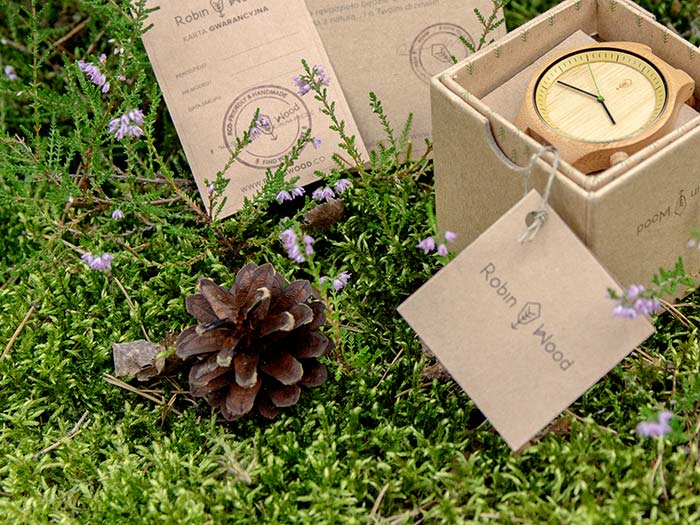
From boxes and labels to protective fillers, every part of the packaging was made from certified recycled materials. But we wanted the experience to carry the spirit of the forest and engage more than just the eye.

Each box included a real pine cone, lightly infused with a custom oil blend, releasing a subtle hint of the wilderness when opened.

RW-ico-be-eco

Be eco!

For Robin, being eco was never about trying to outdo the world’s most committed activists. It was about recognizing that every contribution matters – from small actions to everyday habits.

And that brings us back to the legend of Robin Wood. The original took from the rich to give to the poor. We did not take it that far –we simply embraced the sharing part. It felt more on brand and… legal.

The legend of ShareWood

ShareWood was an initiative through which a portion of every purchase was donated to planting trees, supporting equine therapy, or helping restore forests.

It strengthened the authenticity of Robin Wood by extending the brand beyond materials and sourcing into action. Every purchase contributed not only to a product, but to a positive impact tied to the values behind it.

Together with Gaia Foundation, Robin Wood planted over 2400 trees. 

⸺ On the other side

rw-ico-hand-l

It has been a journey

My role in Robin Wood was to make the brand real – as both co-founder and hands-on creator. I worked across the business and the brand, from strategy to execution.


Robin Wood was built through every touchpoint, and its strength depended on the coherence of the whole experience.

That meant shaping every part of its story according to the same underlying logic – not only its visuals and narrative, but also its product design, material and manufacturing decisions, and the business model itself.

The aim was to build a world where sustainability, design, and commercial reality reinforced one another.
rw-ico-forest-l

It takes a forest

This nearly four-year journey came with many tough lessons, and it would not have been possible without the trust of our customers and the people who helped shape Robin Wood along the way.

From my business partner and fellow co-founder to collaborators, manufacturers, partner brands, photographers, and models – they helped turn Robin Wood from an idea into a world people could enter and experience.