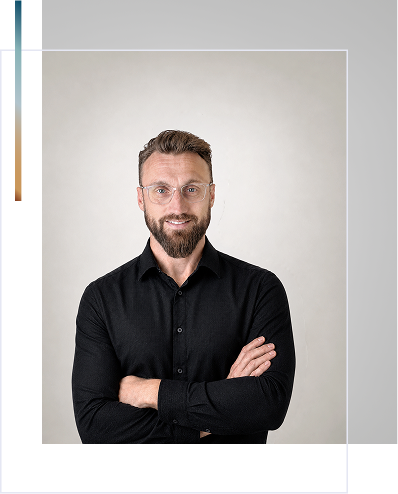

⸺ For 20 years, I have worked across strategy, brand, product and design, seeing how decisions in one function shape what others can deliver.


⸺ shaped by responsibility for what happens next.
My career has developed across disciplines and levels of responsibility – from designing products and experiences to shaping strategy, building ventures and leading a company.
This gives me a practical view of how leadership intent becomes team decisions and customer experience.
I move between
I look for where these perspectives support one another, where they conflict and which differences matter.
I have had to make these connections work, not only advise on them.
As co-founder of Robin Wood and CEO of Sensly, I carried strategy through the business model, product, service and customer experience.
Running my first venture, a design agency that worked with more than 120 businesses across industries, revealed a pattern that shaped my approach to strategy: most strategic waste starts with a poorly framed problem. Teams are often set up to move into solutions before the challenge has been properly defined.
Leading the repositioning of Stileo, a digital platform used by more than 20 million people, grounded my view that brand strategy should act as an integration layer – connecting intended value with product, sales and customer experience.
Carrying full responsibility as co-founder and CEO taught me to design strategy as a working system: translated into decisions, tested through feedback and refined through execution.
For more than 20 years, I have designed digital products, services, visual systems, and customer experiences.
Design became a way of balancing business intent, human needs and the realities of turning ideas into products and experiences.
At Sensly, I translated nuanced mental-health needs into a digital platform that could meet product and commercial constraints.
At UBS, I used design to connect complex internal architecture with client behaviour while meeting strict regulatory requirements.
At Robin Wood, I carried the brand story through physical product design, e-commerce and the wider customer experience.
A great design holds when the explanation ends. The intended value becomes clear in how it works and how people experience it.
For me, improving people’s health, wellbeing and capacity to change is personal. Leading Sensly and working with healthcare professionals showed me how challenging it is to design support that works for different people in practice.
These experiences continue to humble me and expand what I take into account. They ground my solutions in the physical, emotional, and systemic realities that determine whether support can genuinely work in people’s lives.

We use essential cookies to make this site work. With your permission, we also use analytics cookies to understand what’s useful and improve the experience. You can accept or deny these optional cookies.

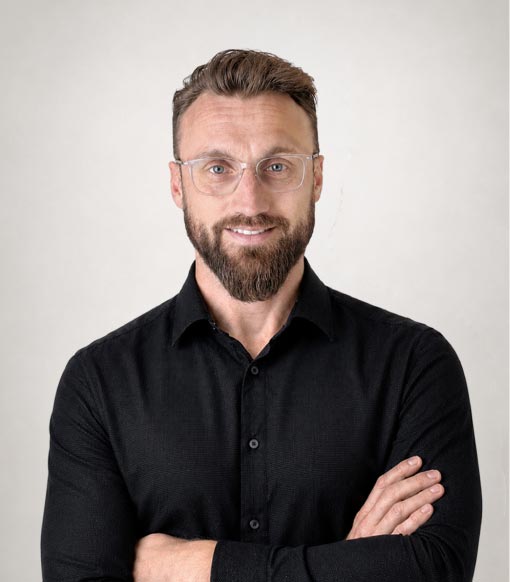
⸺ In each piece, I unpack consequential business questions, connect the wider picture with tangible examples and point to practical ways forward.
By subscribing, you agree to receive brandtropy ‘Perspectives & Insights’ by email.
For more information, read the Privacy Policy.