Sensly

⸺ The journey of two heroes

Making mental health care easier to access, deliver, and trust.

Systemic overview

ico-description

Sensly

⸺ was a mental health platform combining a marketplace and SaaS model for both people seeking support and professionals providing it.

The challenge was not only to create a distinctive product and brand, but to make support feel safer, easier to access, and more credible in a category shaped by stigma, emotional friction, and fragmented care.

ico-my-role

As CEO

⸺ I worked across the full system to align strategy, product, service logic, communication, and experience.

This meant reconciling tensions between accessibility and clinical nuance, empathy and operational efficiency, and product simplicity and human complexity.

ico-emergence-2

The result

⸺ was a platform whose credibility came from systemic coherence. Destigmatizing entry, improving guidance and matching, digitizing access and coordination, and supporting professionals more effectively all reinforced the same underlying logic.

ico-tension

System tensions and constraints

  • Mental health is a category shaped by stigma, vulnerability, and hesitation around asking for help.
  • Users needed emotional safety and clarity before they could trust the platform enough to engage.
  • Care quality depended not only on access, but on fit, timing, and the quality of the match.
  • The category demanded sensitivity, credibility, and ethical restraint in both product and communication.
  • Digitizing care risked making support feel generic, transactional, or emotionally thin.
  • Commercial pressure could easily distort trust if growth logic moved faster than care logic.
ico-trade-offs

Key trade-offs

  • Accessibility vs clinical nuance
    The platform had to make support easier to access without flattening the complexity of people’s needs into overly simple categories.
  • Empathy vs operational efficiency
    The experience needed to feel human and emotionally safe while still being structured enough to work as a scalable service.

  • Better matching vs faster conversion
    Helping people find the right support required more care and precision than a frictionless conversion funnel would usually allow.
  • Digitization vs human trust
    The platform had to use technology to reduce friction without making mental health support feel impersonal or mechanized.

  • Clarity vs emotional sensitivity

    Communication had to be clear, useful, and easy to navigate without sounding clinical, cold, or reductive.

  • Growth ambition vs care integrity

    The business had to grow without allowing commercial logic to override trust, fit, or the quality of support.
ico-alignment-3

What had to align

  • Strategic direction and service model
    The platform needed a clear point of view on the communities it wanted to build for and engage, and on how its marketplace + SaaS model would create value for both patients and professionals.

  • Trust-building entry and first-step experience
    The first interaction had to reduce hesitation, emotional friction, and fear of judgment while making the next step feel clear and manageable
 
  • Guidance, matching, and quality of fit
    The system’s value depended not only on increasing access, but on helping people find the right support with more confidence.
  • Access, coordination, and service flow
    From onboarding to booking, communication, and care navigation, the experience had to reduce friction and make support easier to enter, understand, and continue.

  • Professional workflow, incentives, and independence
    The system also had to work for therapists by reducing operational burden, supporting practice growth, and making participation valuable without compromising care quality.

  • Expression, interface, and credibility signals
    The narrative, language, visual system, and product experience had to feel safe, clear, and serious enough to build trust without becoming cold, clinical, or institutional.
ico-emergence-2

What emerged

  • A lower-friction path into care
    The platform made the first step into mental health support feel clearer, safer, and more approachable.
  •  
  • Trust through system design
    Credibility came less from what Sensly said and more from how the platform guided people, reduced uncertainty, and respected vulnerability.
  •  
  • Better navigation and fit Guidance, matching, and service flow worked together to reduce uncertainty and make support easier to understand and act on.
  • More room to care and grow
    Better-matched patients, less operational friction, and greater control gave professionals stronger conditions to deliver care and grow their practice.

  • Coherence under pressure

    Strategy, product, communication, and care logic stayed aligned despite the category’s emotional, ethical, and operational complexity.

  • A more believable proposition
    Sensly felt credible because destigmatizing entry, improving matching, digitizing access, and streamlining care worked together as one connected system.

⸺ Until it happens to us

The statistics were already there:

  • by 2030, the global cost of mental health issues is expected to reach $6 trillion
  • 1 in 6 people worldwide suffer from mental disorders,
  • every 40 seconds, someone dies by suicide.
But statistics rarely change how people relate to a problem until it becomes personal.
COVID changed that on a different scale.

Lockdowns confronted us with isolation, pressure, uncertainty, and emotional strain directly. What had long been easy to keep at a distance became personal – and harder to ignore.

What awareness
couldn’t fix

COVID moved the conversation forward, but it did not make the category easier to navigate. Mental health still sat at the intersection of stigma, vulnerability, fragmented care, and low digital maturity.

People often arrive already carrying hesitation, fear of judgment, and uncertainty about what kind of help they need. Then they encounter a system that can feel more difficult than the struggle itself.

Where the tensions
compound

Vulnerability lowers tolerance for friction, while stigma increases hesitation and delay.

Fragmentation obscures the path to care, while uncertainty raises the cost of every next step.

Poor fit weakens trust in the process, while emotional strain makes people less willing to try again.
Poor digitization wastes time and resources, while administrative burden pulls attention away from care.

From MyTherapy
to Sensly

A misframed start

When I joined, the project was called MyTherapy – a name and product frame that were too narrow for the challenge, especially given the planned horizontal growth.


The lack of direction showed in the pace: after 8 months of development, only around 35% of the initial idea had been completed.

A more systemic view

The original strategy underestimated the complexity of the market and the challenge of acquisition, while reducing the problem to therapist discovery.


In reality, people were looking for care that felt effective, accessible, and less fragmented – and professionals needed better conditions to deliver care and build a sustainable practice.

The shift

That broader view exposed the need for strategic and operational realignment. The way the project was being built had to change with it.


I restructured the team and introduced agile workflows, OKRs, and a community-driven development approach. Over the next 5 months, we rebuilt with clearer priorities and stronger momentum, leading to the soft launch of a reimagined product: Sensly.

The result

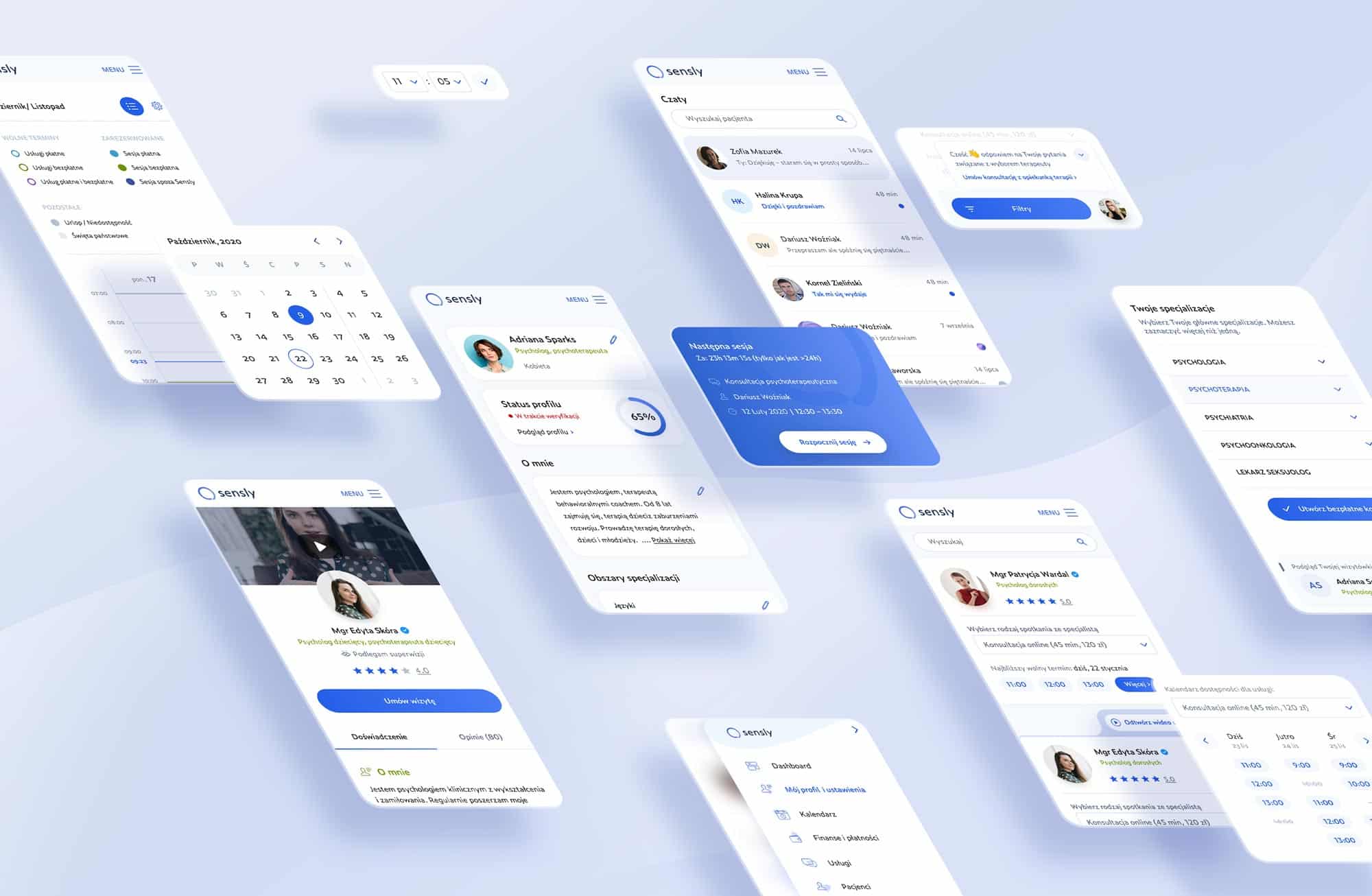
What began as a simple marketplace evolved into a platform with integrated SaaS modules for professionals – strengthening acquisition, opening new paths for growth and scalability, and making the company more legible to investors.


Six months after launch, more than 160 mental health professionals and 2,100 patients were actively using the platform

Asking for help.

For many, that “small step” can feel as complex
as a moon landing.

⸺ The journey of two heroes

everyOne

Seeking support on the path to a better quality of life – often uncertain where to begin, what kind of help they need, or how to trust the process enough to take the first step.

Guides

Professionals trying to deliver meaningful care while facing low visibility, admin burden, and the challenge of building a sustainable practice in a fragmented system.

Both connect

Through Sensly – a platform built to improve access, strengthen matching, and create better conditions for care on both sides.

Problems are complicated enough.
Seeking help shouldn't be.

Sensly digitized and simplified mental health care
by bridging professionals and patients through:

Destigmatizing mental health

Helping people talk about mental health and seek support without shame.

Digitalizing the industry

Expanding access to care, removing barriers through digital tools, and streamlining resources.

Personalized
care

Connecting individuals with the right specialists for faster, more effective care.

⸺ Destigmatizing care

Making support easier
to approach

Normalizing the conversation

By combining education with engagement, we aimed to normalize conversations around mental health and make seeking support feel more approachable.

Understanding

From tone of voice to microcopy, the messaging was designed to feel emotionally resonant and relevant. The language was intentional – supportive rather than sensational, educational rather than transactional – helping build trust and connection across every touchpoint.

Built through dialogue

Grounded in practice

Sensly’s positioning, thought leadership, and marketing were designed to earn credibility with mental health professionals – a group often cautious about companies entering the space.

Because the strategy was co-developed with professionals, it stayed grounded in the realities of mental health care and the barriers different groups faced in accessing support.

Shaped through exchange

Webinars on key mental health topics, blog content, practical guidance shared through social media, and real-time conversations with specialists helped create an ongoing dialogue between clients, professionals, and Sensly.

Hard to talk about

Harder to advertise

Strict regulations, content sensitivities, and the deeply personal nature of mental health make marketing especially difficult. Ads focused on specific problems are often flagged as overly suggestive.

Reframing the message

More solution-focused messaging shifted the emphasis from symptoms to possibilities. That helped lower emotional resistance and made mental health support feel more approachable, especially for people less likely to seek help.

17 → 48%

The result? Nearly 48% of Sensly users were male, compared with just 17% in typical offline practices – suggesting that reframing the conversation and digitizing the service can shift behavior in a meaningful way.

⸺ Taking the first step

Starting where it feels right

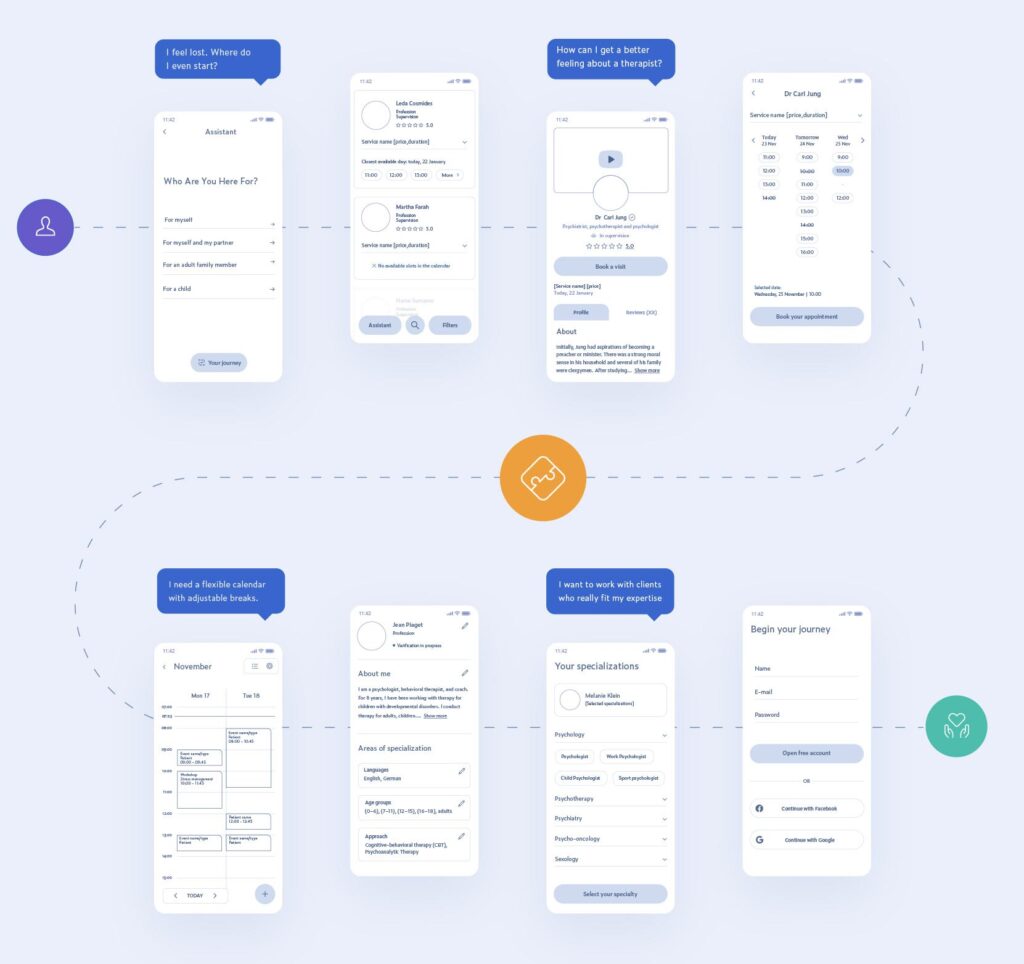
The platform offered three ways to begin, designed around different levels of certainty, autonomy, and need for support.

Guided matching

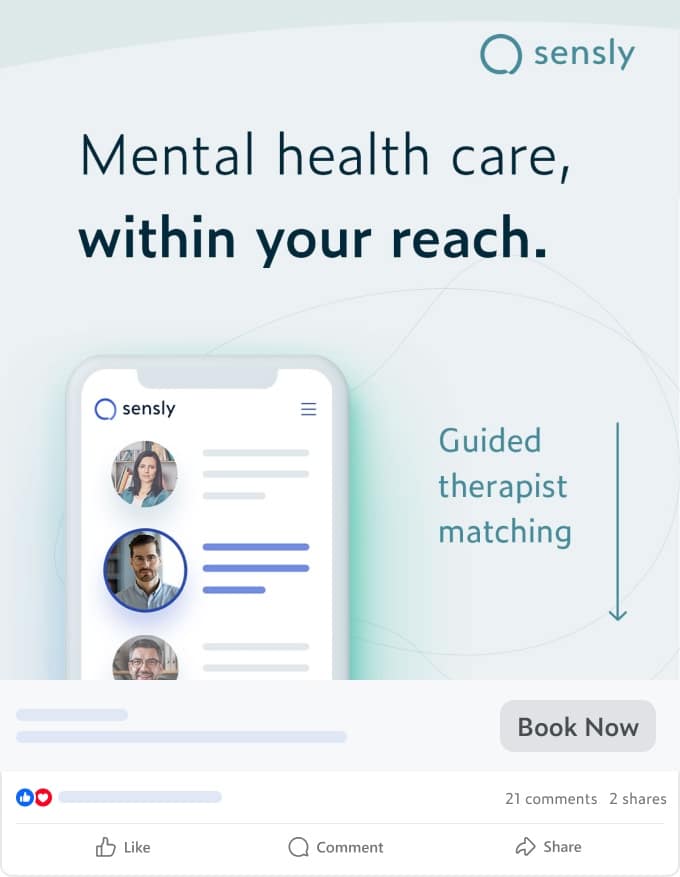
Reduced decision fatigue through a smart form that translated symptoms, experiences, and needs into a more informed recommendation.

Listing

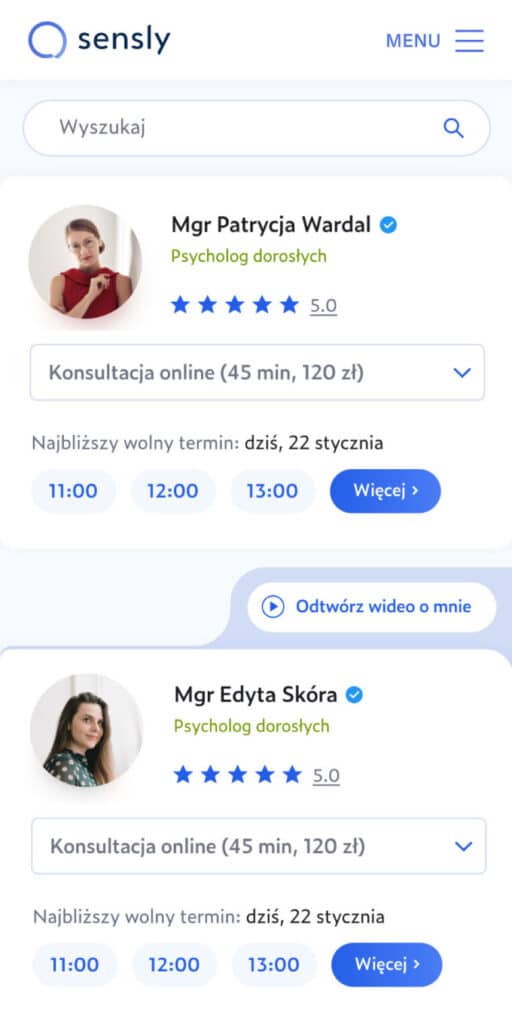
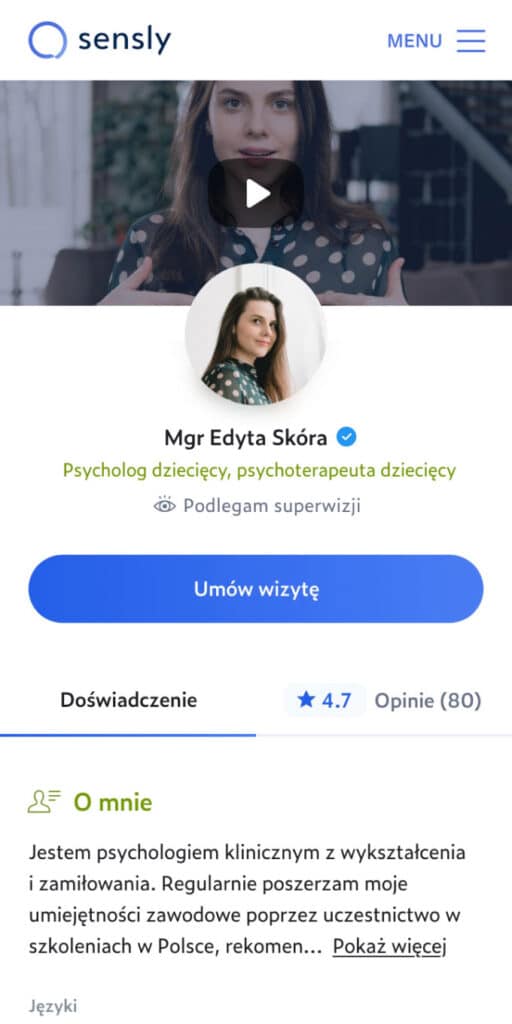
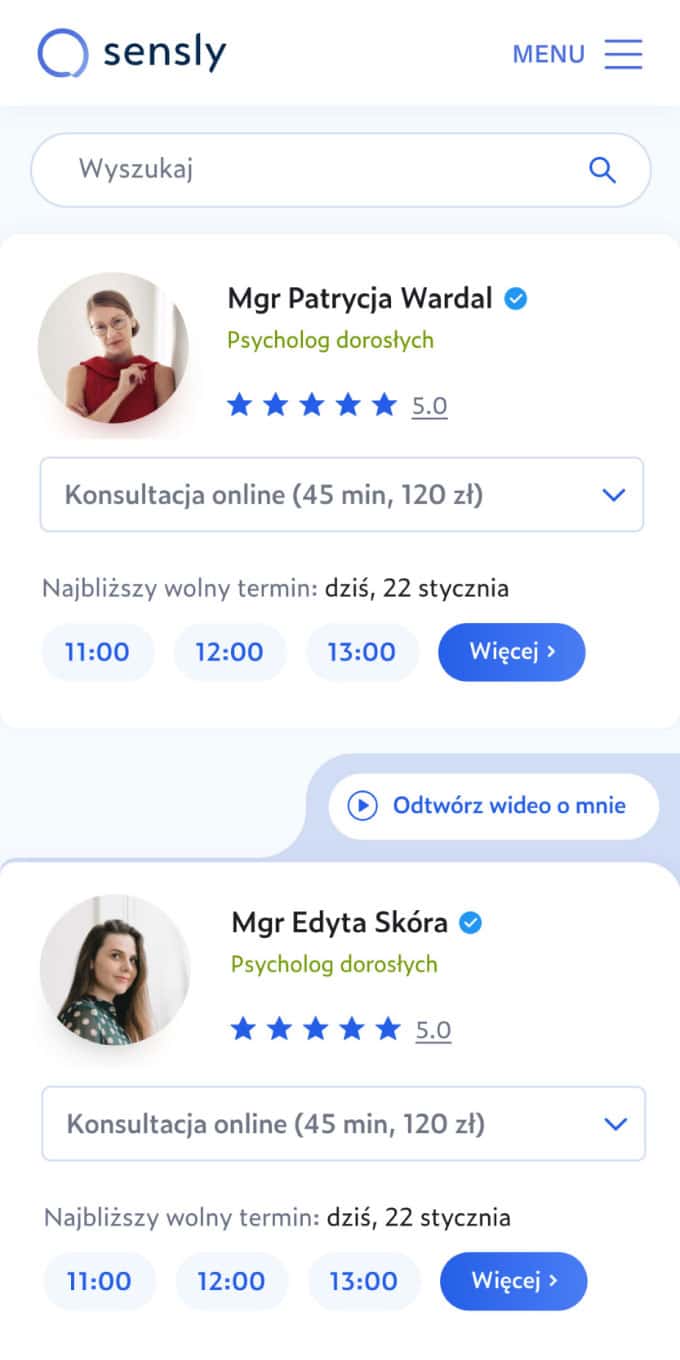
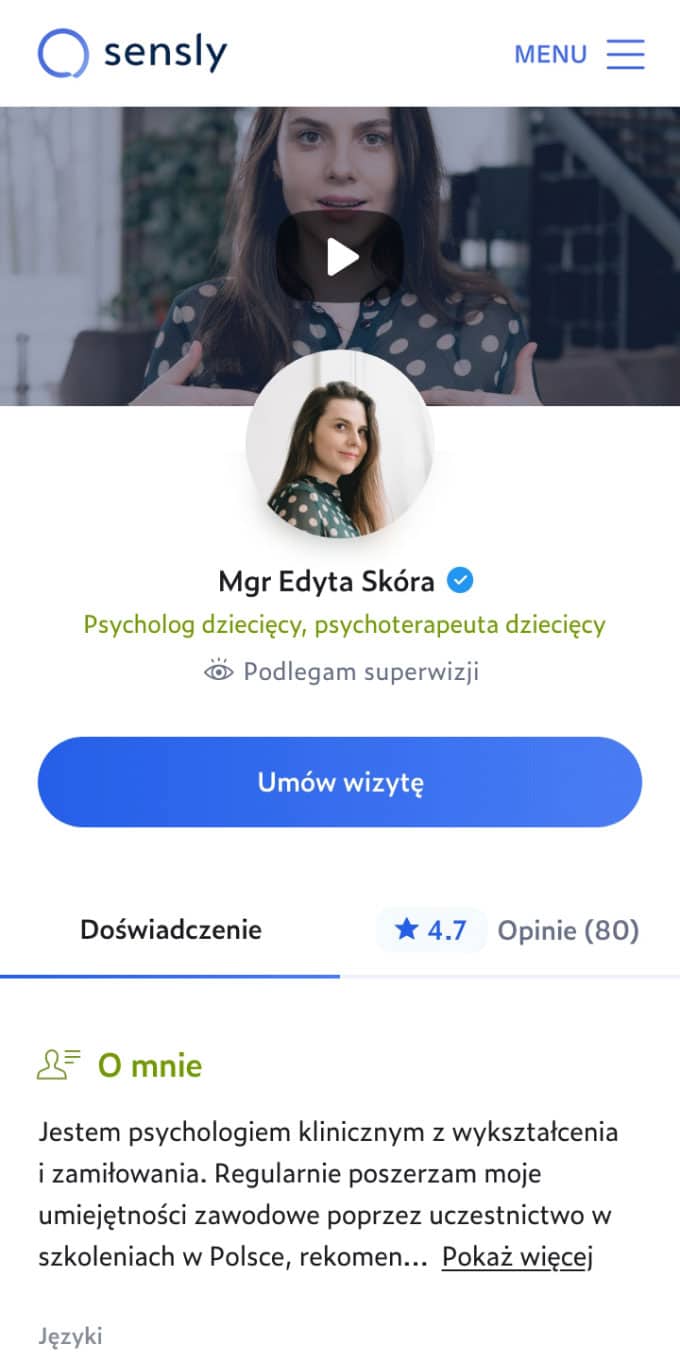
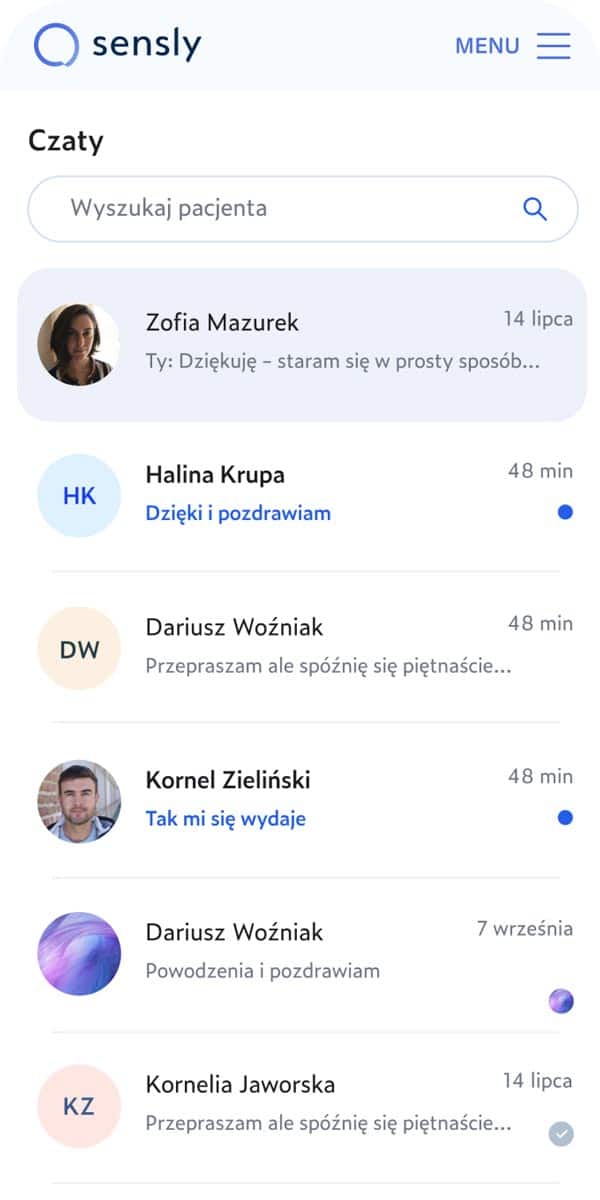
Gave more autonomous users the tools to compare specialists directly through filters, video introductions, and detailed profiles.

Sensly consultant

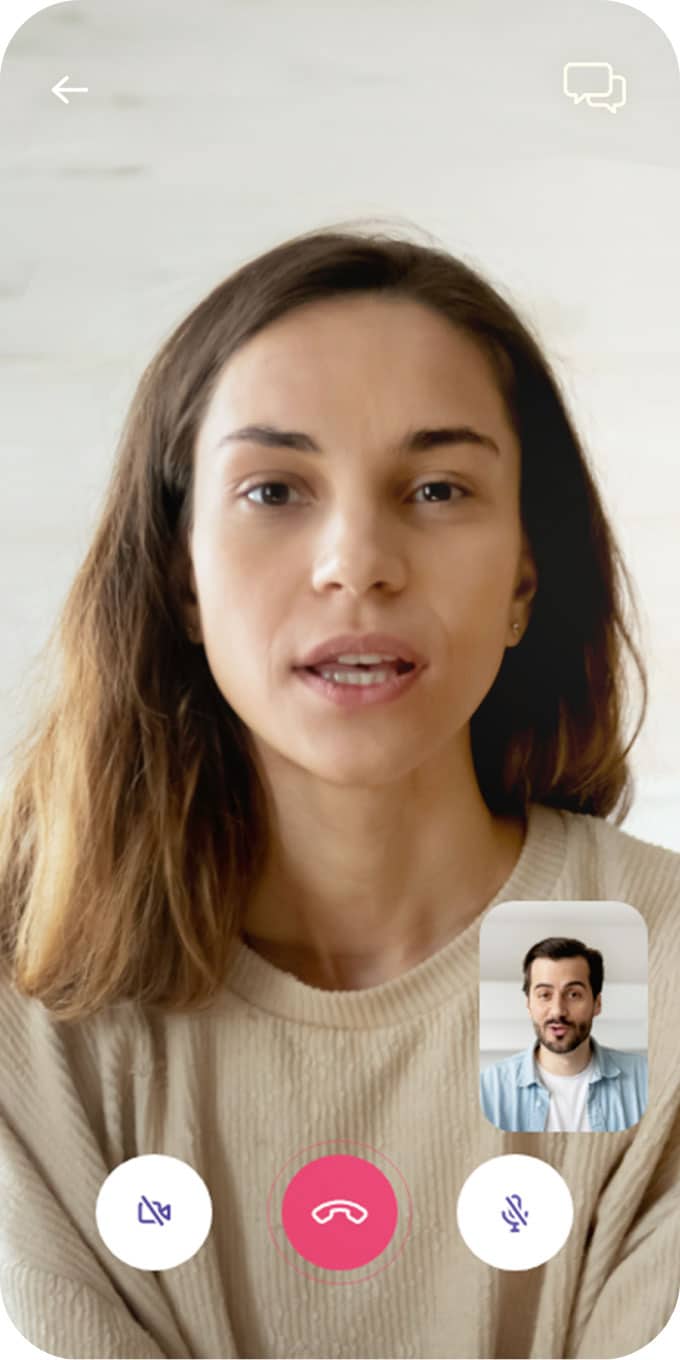
Added a human layer through chat or short video calls with trained psychologists, helping people navigate uncertainty when the other two paths were not enough.

⸺ Digitalizing the industry

Community-driven
development

Leading with empathy

Understanding

Sensly approached digitization as a care challenge, not just a technology one. The goal was to reduce friction without making support feel generic, transactional, or emotionally thin.

Feedback

Through community-led development, 1:1 feedback, webinars, and collaboration with PDS – one of Poland’s largest mental health associations – the platform was shaped around the real needs of both users and professionals.

Validation

This allowed us to validate the direction early and move the product closer to market alignment, grounded in real-world use. 

Experience-first approach

Predictability builds trust

And trust makes action easier. When people know what to expect and how to move forward, anxiety drops, confidence rises, and the next step feels less overwhelming.
User experience was central to the strategy and key to delivering on the brand promise. It shaped every part of the patient journey to provide clarity and control, becoming a part of the therapeutic experience itself.
The goal was to make care easier to enter and navigate. Community-led development kept those choices grounded in real needs and strengthened adoption over time.

Breaking down barriers

Access without the wait

Long queues and limited availability often delay care. Sensly shortened the path to support, making help easier to access when timing mattered most.

A clearer first step

People rarely begin knowing exactly what kind of help they need. Guided tools reduced guesswork and made the first step feel clearer, safer, and easier to take.

Privacy and discretion

Fear of judgment keeps many people from reaching out. Secure digital access created a more private, lower-pressure way to seek support with confidence.

Care that fit real life

Therapy has to work within the realities of everyday life. Flexible scheduling and remote access made support easier to fit in, and easier to sustain over time.

Access care
anywhere

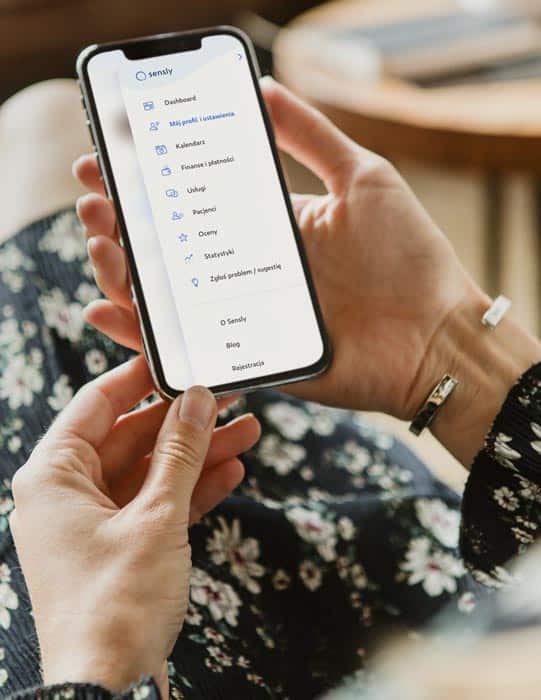
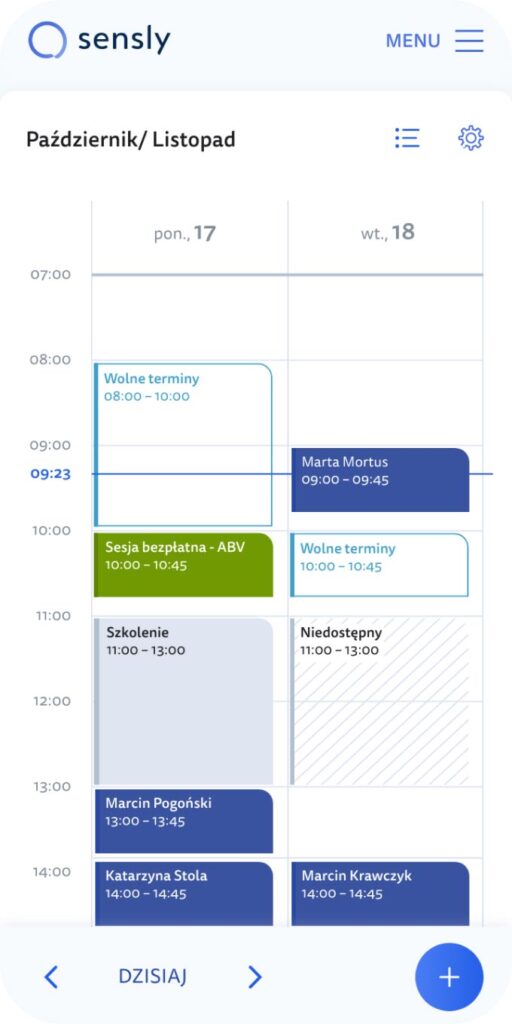
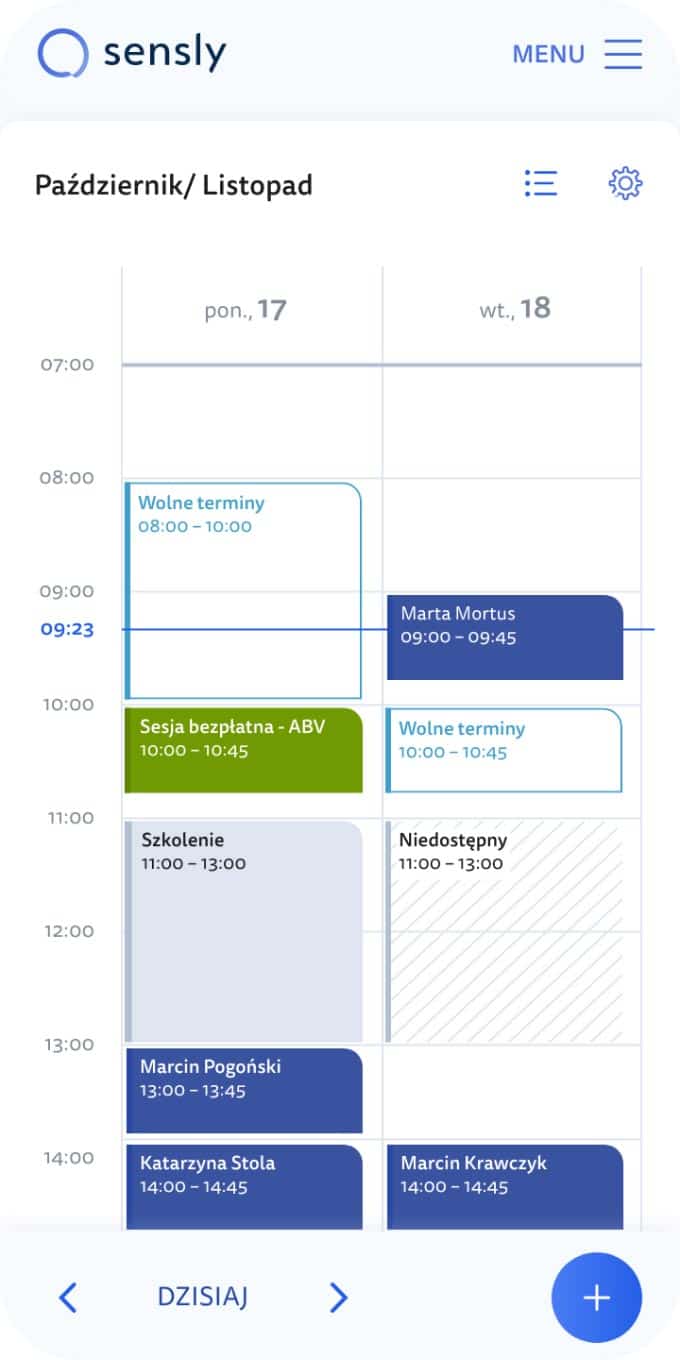
From mobile to desktop, Sensly was designed as a seamless cross-device experience – reducing friction and making mental health support easier to access anytime, anywhere.
This was not only a usability decision, but a strategic one: to increase accessibility, reduce barriers to care, and support growth across different user journeys.

Empowering those
who do it for others

Protecting time

On average, mental health professionals lose 8 hours a week to admin – scheduling, payments, and non-therapy-related paperwork. Sensly treated that not only as an efficiency problem, but as time pulled away from care.

Better matching

By combining smarter workflows, guided matching, and a more seamless care journey, the platform reduced operational drag and helped professionals connect with better-matched patients.

Building independence

That mattered especially for therapists in their first 2–4 years of practice, who were trying to build an independent client base instead of relying on centers that could take up to 40% of their rates.

In partnership with practice

From scepticism to trust

In an industry where credibility is everything, we used community-led growth and a bottom-up acquisition model to build trust, validate decisions, and support organic adoption.

Early skepticism within the therapeutic community helped sharpen the product. It kept us cautious and forced us to build something credible enough to win over even those resistant to digital care.

Digitizing care

Expanding access to a better care

Remote sessions removed location as a barrier, helping therapists reach more people, diversify their client base, and deliver more flexible care.

Reducing operational drag

Scheduling, billing, and client management were streamlined to cut admin time by up to 3 hours a week – giving professionals more time for care.

Supporting professional independence

The platform gave therapists the tools to build their own practice, connecting with better-matched clients and managing operations in one place.

Improving the care experience

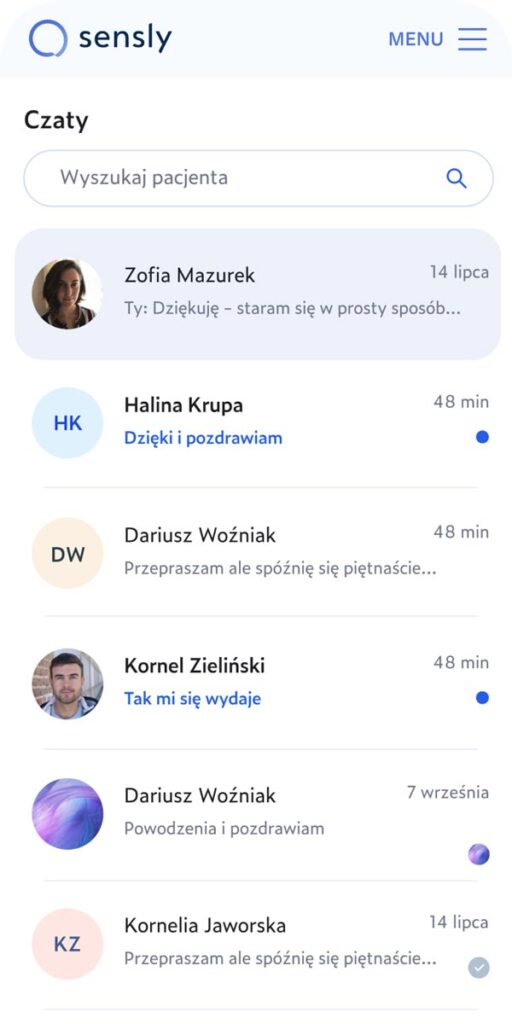
Easy booking, secure messaging, and real-time support made care easier to access and navigate – helping build trust from the first click to the final session.

4.7 / 5

Based on 80+ reviews from
patients and professionals

How coherence was maintained

Business, brand, experience.

Fundamentals

At Sensly, brand wasn’t a layer of identity added on top. It shaped how the problem was framed, what kind of value the platform created, and what promises it could credibly make.

Because that logic was rooted in user reality and validated in practice, it strengthened relevance, supported the potential for long-term product stickiness, and directly shaped the roadmap through feedback.

Decision logic

The quality and consistency of the experience depended on business decisions that reflected the same values and positioning. From acquisition strategy to matching logic, user experience, and service flow, the system followed one direction.

Experienced value

Brand is ultimately the sum of experiences. In the business models we tested, making those experiences meaningful wasn’t a nice-to-have, but the foundation.

Because people don’t pay for access alone. They pay for value they can feel – through clarity, trust, fit, and the quality of the journey itself.

No book can
teach this

From idea to execution

I shaped and led Sensly’s strategy from early concept through execution — translating vision into product decisions, team direction, investor conversations, and day-to-day trade-offs.

The role stretched across everything: vision, leading an 11-person remote team, working with mental health experts, designing the product, pitching investors, and holding the moving parts together.

Where theory runs out

Building a startup in the Polish mental health sector a complex, underfunded market  brought a different kind of challenge, but also rare meaning.

Despite previous ventures, stepping into the CEO role meant learning in motion: switching hats daily, making decisions under pressure, and being shaped by realities no book could have prepared me for.

Learning through
responsibility

Some lessons only become real once you have to carry their weight.

A few stayed with me the most:


  • To listen more than I speak – especially when it’s hardest.
  • To make peace with my inner critic – so I can better nurture others.
  • To take care of myself, or the vision burns out with me.
 

Knowing isn’t the same as living it.